What Is a Kilowatt-Hour in New Jersey Electricity Bills?
Learn what a kilowatt-hour means on your New Jersey electric bill, how PSE&G, JCP&L, Atlantic City Electric, and Rockland Electric measure usage.

Written by Hash Manesia
Published on Oct 23, 2026
|
9 min read
Reviewed by Jeff Mahoney
What Is a Kilowatt-Hour in New Jersey Electricity Bills?
What Is a Kilowatt-Hour, Exactly?
A kilowatt-hour, or kWh, is a unit of energy consumption. It measures how much energy a device uses over a period of time, not how fast it uses it. Think of it as the total amount of work your electricity did, added up over hours, rather than a snapshot of speed.
A kilowatt, by contrast, measures power: the rate at which energy flows at any given moment. Picture a kilowatt as how hard a faucet is running and a kilowatt-hour as the total water collected once you turn that faucet on and let it run for a while. Your electric bill tracks the collected total, not the rate.
How New Jersey Utilities Measure and Bill for Kilowatt-Hours
New Jersey utilities use metering equipment at your home to record how many kilowatt-hours you consume between billing cycles, then translate that reading into the usage line on your bill. The process is largely automated, though the underlying logic is the same no matter which utility delivers your power.
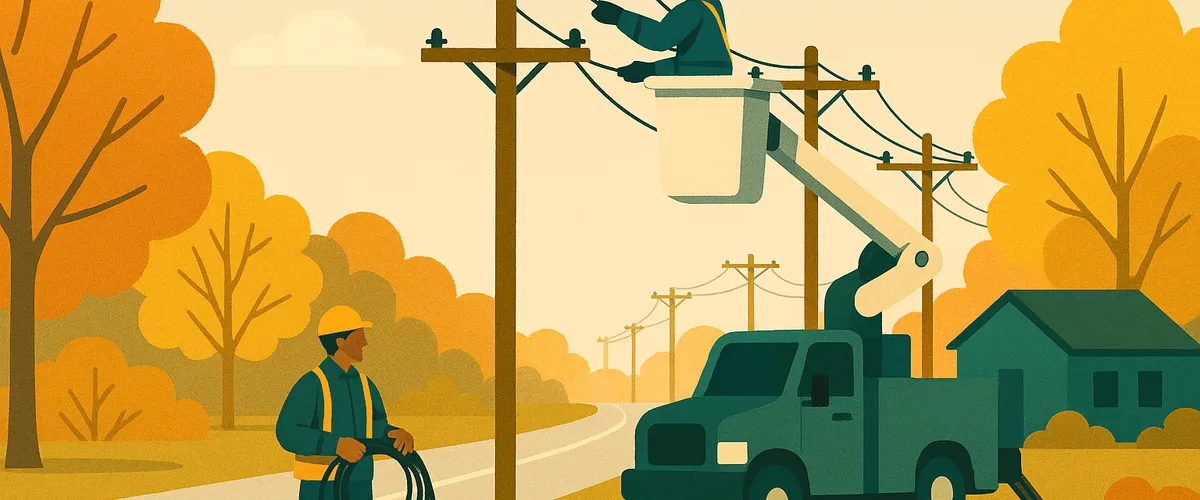
Public Service Electric & Gas, Jersey Central Power & Light, Atlantic City Electric, and Rockland Electric Company each operate within a defined service territory across the state, and each reads meters on a regular cycle to produce a usage figure in kWh. That figure becomes the basis for the delivery portion of your bill, separate from whatever you pay for the actual energy supply.
Many of these utilities now use meters that transmit readings remotely, cutting down on estimated bills and giving you more frequent insight into your consumption. If you ever question a reading, you can typically request a review directly through your utility's customer service channels.
How Common Household Appliances Use Kilowatt-Hours
Every appliance in your home draws power at a certain rate, and the longer it runs, the more kilowatt-hours it adds to your bill. Appliances that generate heat or cold, like HVAC systems and water heaters, tend to be the heaviest draws because they work continuously to maintain a temperature rather than switching on briefly.
- HVAC systems run for extended stretches to heat or cool your home, so their kWh contribution grows with every additional hour of operation.
- Water heaters keep a tank at a steady temperature around the clock, which means they draw energy even when no one is running hot water.
- Refrigerators and freezers cycle on and off throughout the day, adding small but constant increments of kWh usage that accumulate over a month.
- Electronics and small appliances, like televisions or chargers, generally use far less energy per hour but can add up when left plugged in and active for long periods.
Why Understanding Your kWh Usage Matters
Knowing your kWh usage helps you see exactly where your energy goes and which habits or appliances drive your bill up. Instead of reacting to a total dollar amount each month, you can look at usage patterns and pinpoint what's actually responsible for changes.
Tracking usage over time also lets you judge whether an older appliance is running less efficiently than it used to, since a steady rise in kWh with no change in habits often points to equipment that's losing efficiency. That kind of insight gives you a factual basis for deciding whether a repair or replacement makes sense.
The Role of the NJ Board of Public Utilities in Energy Measurement Standards
The New Jersey Board of Public Utilities oversees the accuracy of the metering equipment utilities use to measure your kWh usage. It sets standards that utilities must follow so that the readings on your bill reflect what you actually consumed.
Beyond metering accuracy, the NJ BPU also handles consumer protections connected to usage reporting, including how utilities must disclose billing practices and respond to disputes. If you believe your usage was measured or billed incorrectly, the NJ BPU is the body that ultimately holds utilities accountable to those standards.
How Kilowatt-Hour Usage Connects to Choosing an Energy Plan
Your kWh usage is the foundation for comparing energy plans, since most plans price their energy on a per-kWh basis. Once you know your typical monthly usage and how it shifts across seasons, you can evaluate which plan structures actually fit your household instead of guessing.
Gatby helps you look at your usage patterns alongside the plan options available in New Jersey, connecting you with choices that align with how and when you actually consume energy. Rather than sorting through plan details on your own, you can use your kWh history as a starting point for a more informed conversation about what might work for your home.
Simple Ways to Monitor and Reduce Kilowatt-Hour Usage
You don't need special equipment to start paying closer attention to your kWh usage. Small, consistent habits around how you use major appliances and electronics can noticeably shape your monthly total over time.
- Check your utility's online account portal regularly, since most now show usage trends that reveal whether consumption is climbing or holding steady.
- Adjust HVAC settings when you're away from home, since heating and cooling an empty house adds kWh with no real benefit.
- Unplug electronics and chargers that stay in standby mode, since devices left connected continue drawing small amounts of power.
- Run large appliances like dishwashers and washing machines with full loads, since partial loads waste energy relative to what gets accomplished.
- Schedule routine maintenance on HVAC systems and water heaters, since worn components often force appliances to use more energy to do the same job.
Frequently Asked Questions
What is the difference between a kilowatt and a kilowatt-hour?
A kilowatt measures power, or the rate at which energy is used at a given moment, while a kilowatt-hour measures energy consumed over time. If a kilowatt is how fast a faucet runs, a kilowatt-hour is the total amount of water you've collected once that faucet has been running for a while. Your electric bill charges you based on kilowatt-hours because that figure reflects the total energy your household actually consumed during the billing period, not how quickly any single appliance drew power at any one instant. Understanding this distinction helps you read your bill more accurately and makes it easier to compare appliances, since a device with a high power rating that runs briefly might use fewer kilowatt-hours overall than a lower-powered device that runs continuously, like a water heater or HVAC system.
How do New Jersey utilities track my kilowatt-hour usage?
New Jersey utilities, including Public Service Electric & Gas, Jersey Central Power & Light, Atlantic City Electric, and Rockland Electric Company, use metering equipment installed at your home to record kilowatt-hour consumption between billing cycles. Many meters now transmit readings remotely, which reduces reliance on estimated bills and gives you more frequent visibility into your actual usage. Each utility reads meters on a regular schedule and translates that reading into the usage figure shown on your bill, which then forms the basis for the delivery charges you pay. If you ever have questions about a specific reading or believe it doesn't reflect your actual consumption, you can request a review through your utility's customer service process, and the New Jersey Board of Public Utilities oversees the standards that keep this metering process accurate and consistent across the state.
Why does my kilowatt-hour usage change from month to month?
Your kilowatt-hour usage shifts with the seasons, your daily routines, and how often major appliances like HVAC systems and water heaters are running. Hotter or colder months typically push usage higher because climate control systems work harder and longer to maintain a comfortable temperature indoors. Changes in household routine, such as spending more time at home or running laundry and dishwashing appliances more frequently, also affect your monthly total. Tracking these patterns over time helps you understand what's driving changes in your bill, rather than treating each month's total as a mystery. If your usage rises steadily without any real change in your habits, it can be a sign that an appliance is aging or losing efficiency, which gives you useful information for deciding whether repair or replacement is worth considering.
What does the NJ Board of Public Utilities do regarding kWh measurement?
The New Jersey Board of Public Utilities sets and enforces standards for the metering equipment that utilities use to measure kilowatt-hour consumption across the state. This oversight is meant to ensure that the readings appearing on your bill genuinely reflect the energy your household used, rather than relying on inconsistent or inaccurate equipment. The NJ BPU also addresses consumer protections tied to usage reporting, including rules around how utilities disclose billing practices and how they must respond when a customer disputes a reading. If you ever suspect your meter is malfunctioning or your bill doesn't match your actual usage, the NJ BPU is the regulatory body responsible for holding utilities accountable to the measurement standards it sets, giving you a path for resolution beyond the utility itself.
How can understanding my kWh usage help me choose an energy plan?
Knowing your typical kilowatt-hour usage, including how it shifts across seasons, gives you a factual foundation for comparing energy plans, since most plans price energy on a per-kWh basis. Without that information, comparing plans becomes guesswork, because a plan structure that suits a household with steady, moderate usage might not fit one with sharp seasonal swings. Reviewing your usage history lets you ask more specific questions about how a plan's pricing structure would apply to your actual consumption pattern rather than a generic estimate. Gatby helps you connect your usage patterns with the plan options available in New Jersey, so you can approach the decision with a clearer picture of your household's energy habits instead of sorting through plan details with no real reference point for what you actually use.
What are practical ways to reduce my kilowatt-hour usage at home?
Reducing kilowatt-hour usage usually comes down to consistent habits around your largest energy draws rather than any single dramatic change. Adjusting HVAC settings when you're away, since heating or cooling an empty home adds usage without any real benefit, is one of the more noticeable habits to build. Running dishwashers and washing machines with full loads makes better use of the energy each cycle requires, and unplugging electronics that sit in standby mode prevents small, continuous draws from accumulating over a month. Scheduling routine maintenance on HVAC systems and water heaters also matters, since worn components often force appliances to work harder and consume more energy to produce the same result. Checking your utility's online portal regularly for usage trends helps you see whether these habits are actually making a difference over time.
Related reading
Let Autopilot take energy shopping off your plate — just enter your zip code
Table of Contents
Table of Contents
You may also like