How Does Energy Choice Work in Texas?
Texas lets residents pick their own electricity supplier while utilities like Oncor and CenterPoint still deliver power. Here's how that choice actually…

Written by Hash Manesia
Published on Oct 22, 2026
|
10 min read
Reviewed by Kyle Aubuchon

How Does Energy Choice Work in Texas?
What Is the Texas Deregulated Energy Market?
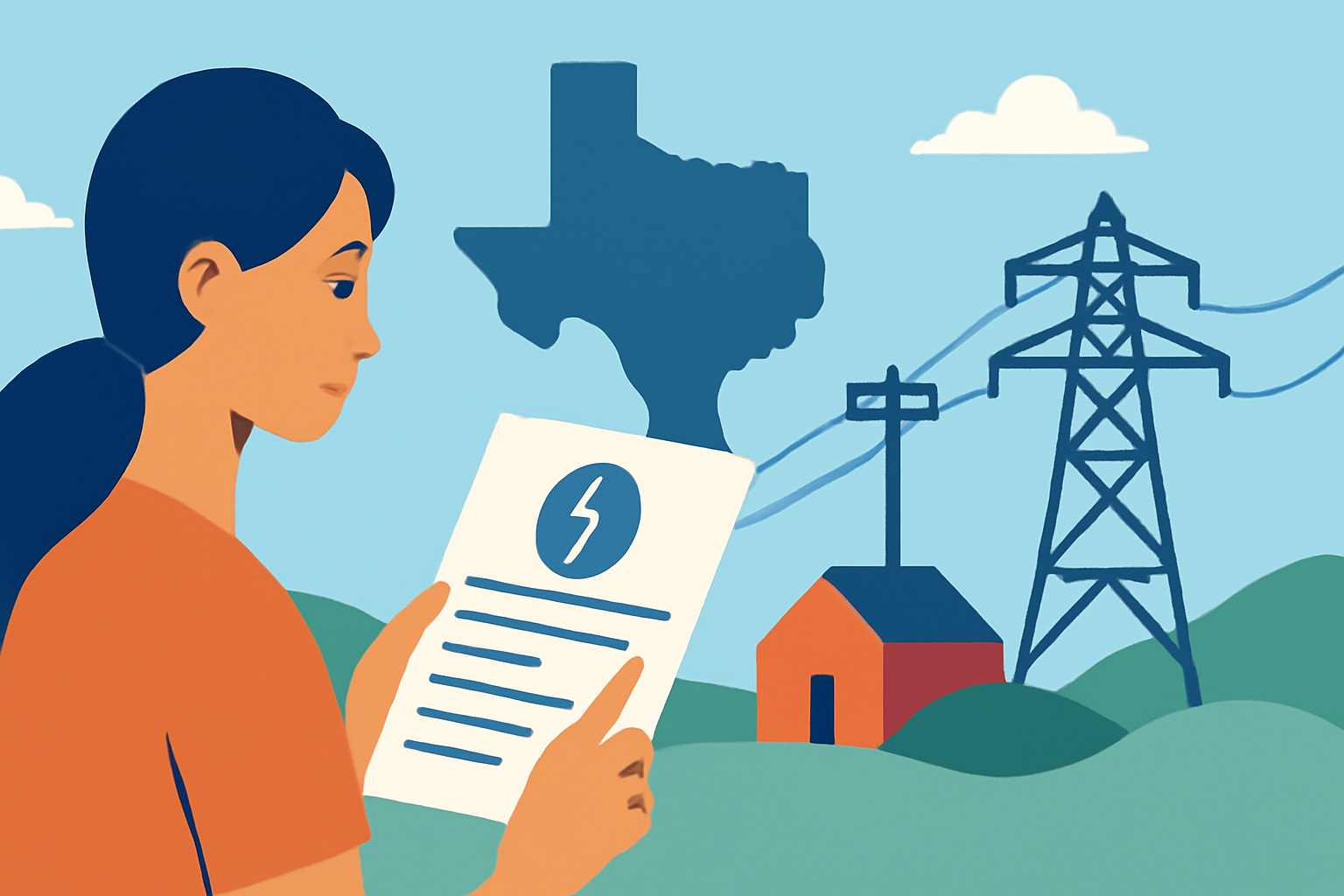
Texas split the electricity business into two separate jobs: selling power and delivering it. In most of the state, you can pick which company sells you electricity, while the local utility still owns the poles, wires, and meters that bring it to your home. This setup is usually called energy choice or a competitive retail market.
The idea behind this split is to let retail suppliers compete for your business through different plans, pricing structures, and contract terms. Meanwhile, the physical grid stays in the hands of a regulated utility, so maintenance, line repairs, and new connections don't depend on who you choose to buy electricity from.
Who Regulates Energy Choice in Texas?
The Public Utility Commission of Texas, known as the PUCT, oversees the competitive retail electricity market. It sets the rules retail suppliers must follow, licenses them to operate, and monitors how they treat customers.
The PUCT also handles consumer protection functions, including rules around contract disclosures, billing practices, and how suppliers can market their plans. If a dispute arises between you and a supplier, the PUCT is the agency with authority over how that supplier is allowed to operate in the state. It does not set the price you pay for electricity under competitive plans, since that part is left to the market.
Supplier vs Utility: What's the Difference?
A supplier sells you the electricity itself and competes with other suppliers for your business through different plans and pricing. A utility owns and maintains the physical infrastructure, the poles and wires, that actually carries electricity to your property, and it responds when the power goes out.
These two roles stay separate no matter which supplier you pick. The utility serving your address doesn't change when you switch suppliers, because it's tied to your location rather than your plan.
- Oncor Electric Delivery, CenterPoint Energy Houston Electric, AEP Texas, and Texas-New Mexico Power Company each own and maintain the wires in their respective service territories.
- These utilities are responsible for restoring power after outages and maintaining the safety of the physical grid.
- None of these utilities sell you the electricity itself under the competitive market structure, since that function belongs to retail suppliers.
Which Areas of Texas Have Energy Choice?
Competitive energy choice applies in the areas served by Oncor Electric Delivery, CenterPoint Energy Houston Electric, AEP Texas, and Texas-New Mexico Power Company. If your address falls within one of these utility territories, you have the ability to select a retail supplier.
Other parts of Texas are served by utilities that still operate under a traditional, non-competitive structure, where the utility handles both delivery and the sale of electricity. Whether you have a choice of supplier depends entirely on which utility territory your address sits in, not on any statewide rule that applies uniformly.
How Does a Texas Resident Choose a Supplier?
Choosing a supplier generally starts with comparing plan types, contract lengths, and how the rate is structured. Some plans lock in a rate for a set term, while others can shift month to month, so understanding the structure before signing up matters more than looking at a single number.
- Plan type affects how predictable your bill will be over the contract term.
- Contract length determines how long you're committed before you can switch without a fee.
- Rate structure explains how the price you pay can change over time, which affects how comparable two offers really are.
- Any early termination terms or other conditions in the contract affect what happens if you move or switch before the term ends.
Once you've compared these factors and found a plan that fits your situation, you enter into an agreement directly with that retail supplier, who then becomes the company billing you for electricity. The utility continues to deliver the power at your address, regardless of which supplier you selected.
What Happens If a Customer Doesn't Choose a Supplier?
If you move into a new home or don't actively pick a retail supplier, you're generally still assigned some form of electric service so your power isn't interrupted. The specific process can vary depending on your address and timing, but service continues while you decide on a plan.
It's worth actively comparing supplier options rather than letting this default arrangement continue indefinitely, since actively chosen plans are often structured to better fit your actual usage patterns and preferences. Taking the time to look closely at plans directly with a supplier puts the choice of contract terms and rate structure back in your hands.
What Stays the Same No Matter Which Supplier Is Chosen?
Regardless of which retail supplier you choose, the same utility keeps delivering your electricity, responding to outages, and maintaining the safety of the lines and equipment near your property. Switching suppliers never means switching who shows up to fix a downed line.
Safety standards and delivery infrastructure are regulated separately from the competitive supply side of the market. That separation is part of why switching suppliers is generally a billing and contract change rather than a change in physical service.
How Gatby Helps Texans Navigate Energy Choice
Gatby is a licensed energy broker that helps you compare retail supplier options and connects you with a plan that fits your needs. Gatby does not sell electricity itself and is not a supplier or a utility.
Instead, Gatby's role is to help make sense of the different plan types, contract terms, and rate structures available in the competitive market, so you can make a more informed choice about which retail supplier to choose. The utility serving your area continues to handle delivery and outages no matter which supplier you choose through Gatby.
Frequently Asked Questions
What does energy choice mean in Texas?
Energy choice means that in most of Texas, the job of selling electricity is separated from the job of delivering it. A retail supplier sells you the electricity and competes for your business with different plans and contract terms, while a local utility continues to own and maintain the poles and wires that physically bring power to your home. This structure lets you look at different plans and switch suppliers if you want to, without affecting who maintains the infrastructure at your address. Not every part of the state works this way, since some areas are still served by utilities operating under a traditional, non-competitive structure. Whether you have a choice of supplier depends on which utility territory your address falls within, so it's worth checking your specific location rather than assuming a statewide rule applies everywhere the same way.
Does the Public Utility Commission of Texas set electricity prices?
No, the Public Utility Commission of Texas, or PUCT, does not set the price you pay under a competitive retail plan. Instead, the PUCT regulates how retail suppliers are licensed to operate, what disclosures they must provide, and how they're allowed to market and bill customers. Pricing in the competitive market is instead determined by individual suppliers, who set their own rates and plan structures to compete with one another for customers. The PUCT's role is more about setting rules of conduct and protecting consumer rights than about controlling what any single supplier charges. If you have a dispute with a supplier over billing practices or contract terms, the PUCT is the regulatory body with authority over how that supplier must operate in Texas, making it a useful resource for understanding your rights.
What is the difference between a utility and a supplier in Texas?
A utility owns and maintains the physical infrastructure that delivers electricity, including poles, wires, and meters, and it's the entity responsible for restoring power after an outage. In Texas, utilities such as Oncor Electric Delivery, CenterPoint Energy Houston Electric, AEP Texas, and Texas-New Mexico Power Company serve this function across different regions of the state. A supplier, on the other hand, is the company that actually sells you the electricity itself and competes with other suppliers through different plans, contract lengths, and rate structures. Your utility is fixed based on where you live and doesn't change when you switch suppliers, while your supplier is a choice you actively make. Understanding this distinction helps explain why switching suppliers affects your bill and contract but never changes who responds to an outage near your property.
What happens if you don't pick an electricity supplier in Texas?
If you move into a new home within a competitive area and don't actively select a retail supplier, you're generally still assigned some form of electric service so that your power isn't interrupted while you decide. The exact process can depend on your specific address and the timing of your move, but continuity of service is the general expectation. That said, letting this default arrangement continue indefinitely usually isn't the most tailored option available to you. Actively comparing retail suppliers lets you choose a plan type, contract length, and rate structure that better matches your actual usage and preferences, rather than leaving that choice unmade. Taking a bit of time early on to compare options directly with a supplier can make a meaningful difference in how well your plan fits your household's needs over the length of the contract.
Will switching electricity suppliers affect who responds to a power outage in Texas?
No, switching suppliers does not change which utility responds to outages or maintains the physical lines near your property. The utility serving your address, whether that's Oncor Electric Delivery, CenterPoint Energy Houston Electric, AEP Texas, or Texas-New Mexico Power Company, is determined by your location rather than your choice of supplier. That utility continues to handle delivery infrastructure, safety standards, and outage restoration regardless of which retail supplier is billing you for electricity. Switching suppliers is essentially a change in your billing arrangement and contract terms, not a change in the physical service connected to your home. This separation is part of the underlying structure of the competitive market, and it's one of the reasons comparing suppliers doesn't carry any risk to the reliability of your actual power delivery.
How does Gatby help with energy choice in Texas?
Gatby is a licensed energy broker, which means it helps you compare retail supplier options and connects you with a plan rather than selling electricity itself. Gatby is not a supplier and not a utility, so it doesn't generate power, deliver it, or bill you directly for electricity usage. Instead, Gatby's function is to help make sense of the range of plan types, contract terms, and rate structures available from different suppliers in the competitive market. This can make the comparison process more manageable, especially since plans can vary quite a bit in structure even within the same utility territory. No matter which supplier you end up choosing through Gatby, the utility serving your address continues to handle delivery and outage response, since that part of the system stays separate from the supplier you select.
Related reading
Browse 150+ plans from top providers and others
Table of Contents
Table of Contents
You may also like