How Does Energy Choice Work in New Jersey?
Learn how New Jersey's energy choice program lets residents pick a supplier while their utility still delivers power, under NJ BPU rules.

Written by Hash Manesia
Published on Oct 16, 2026
|
9 min read
Reviewed by Jeff Mahoney
:quality(80))
How Does Energy Choice Work in New Jersey?
What Does Energy Choice Mean in New Jersey?
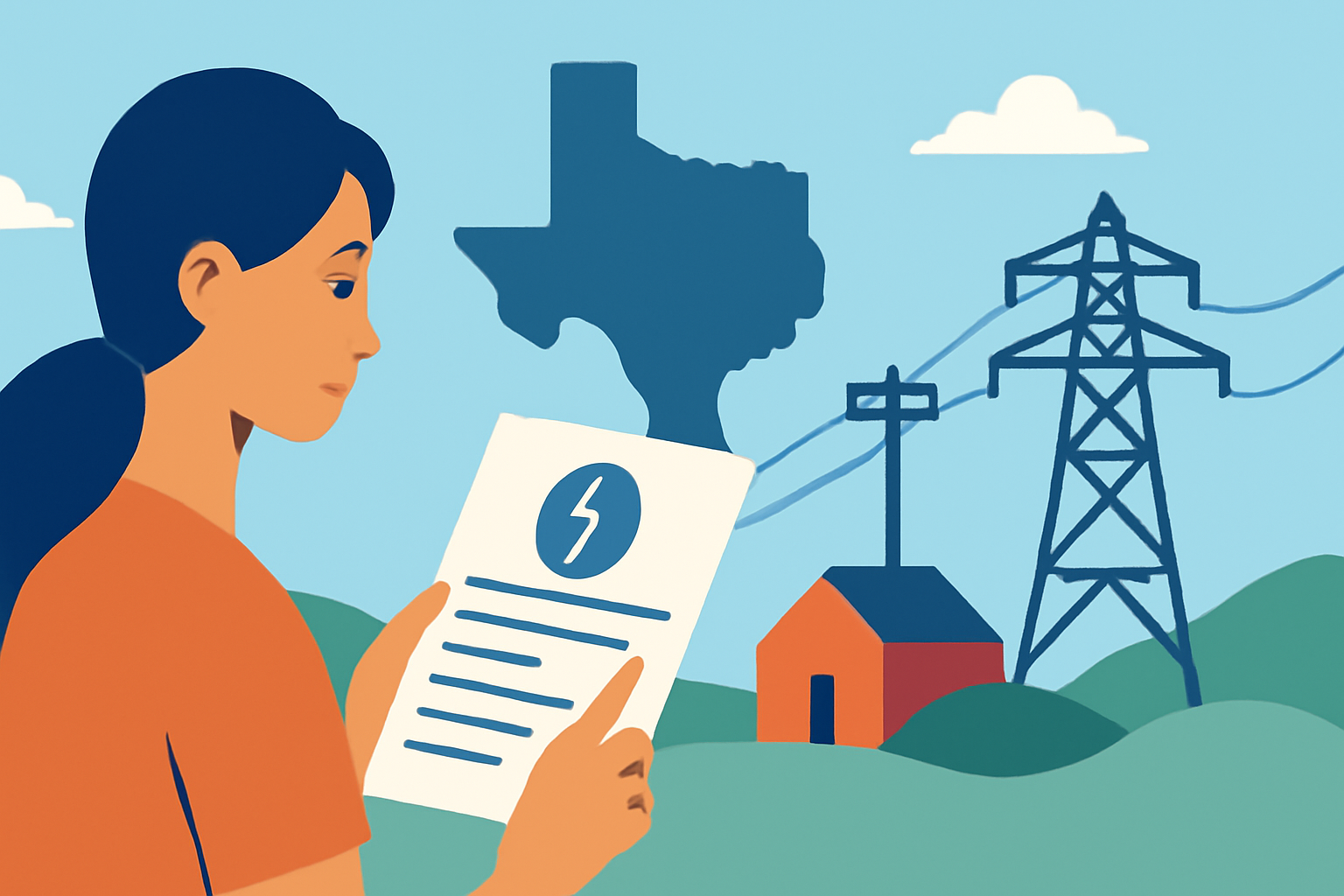
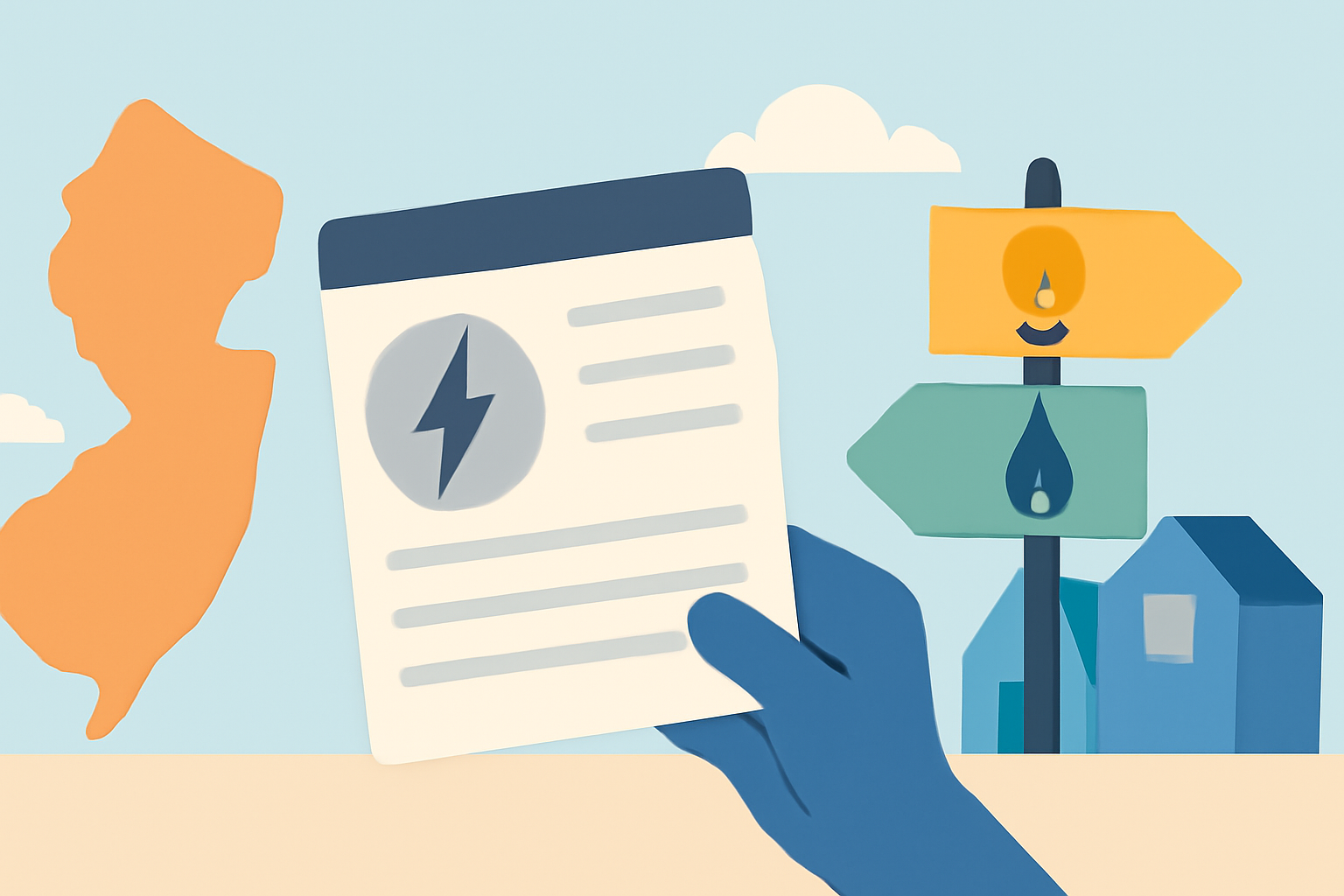
Energy choice means you get to pick which company sells you the actual energy you use, instead of relying only on your utility for that role. New Jersey operates a deregulated energy market, overseen by the New Jersey Board of Public Utilities (NJ BPU), that allows residents to shop among different suppliers for electricity and natural gas.
The NJ BPU sets the rules that keep this system fair and transparent. It doesn't pick a supplier for you, but it makes sure every supplier operating in the state follows consistent licensing and disclosure standards. That structure is what makes it possible for you to compare options and switch without disrupting your actual power or gas delivery.
How Do Utilities and Suppliers Differ?
A utility owns and maintains the wires or pipes that bring energy to your home, while a supplier is the company that sells you the energy itself. In New Jersey, your utility is determined by where you live — it could be Public Service Electric & Gas, Jersey Central Power & Light, Atlantic City Electric, or Rockland Electric Company.
These utilities handle service calls, outage repairs, and meter readings no matter who your supplier is. A supplier, by contrast, is the company you choose to buy your electricity or natural gas from. Switching suppliers never changes who shows up if a line goes down or who reads your meter each month.
What Happens If You Don't Choose a Supplier?
If you don't actively select a supplier, you're not left without energy — your utility arranges supply for you automatically through a default service arrangement. This keeps your lights and heat on without any gap, since the utility steps in to source the energy on your behalf until you decide otherwise.
This default arrangement is a built-in safety net, not a penalty. The price you pay under it is set through a regulated process rather than something the utility sets arbitrarily. You can move from this default setup to a chosen supplier at any point, and you can also move back if your circumstances change.
How Does the Switching Process Work?
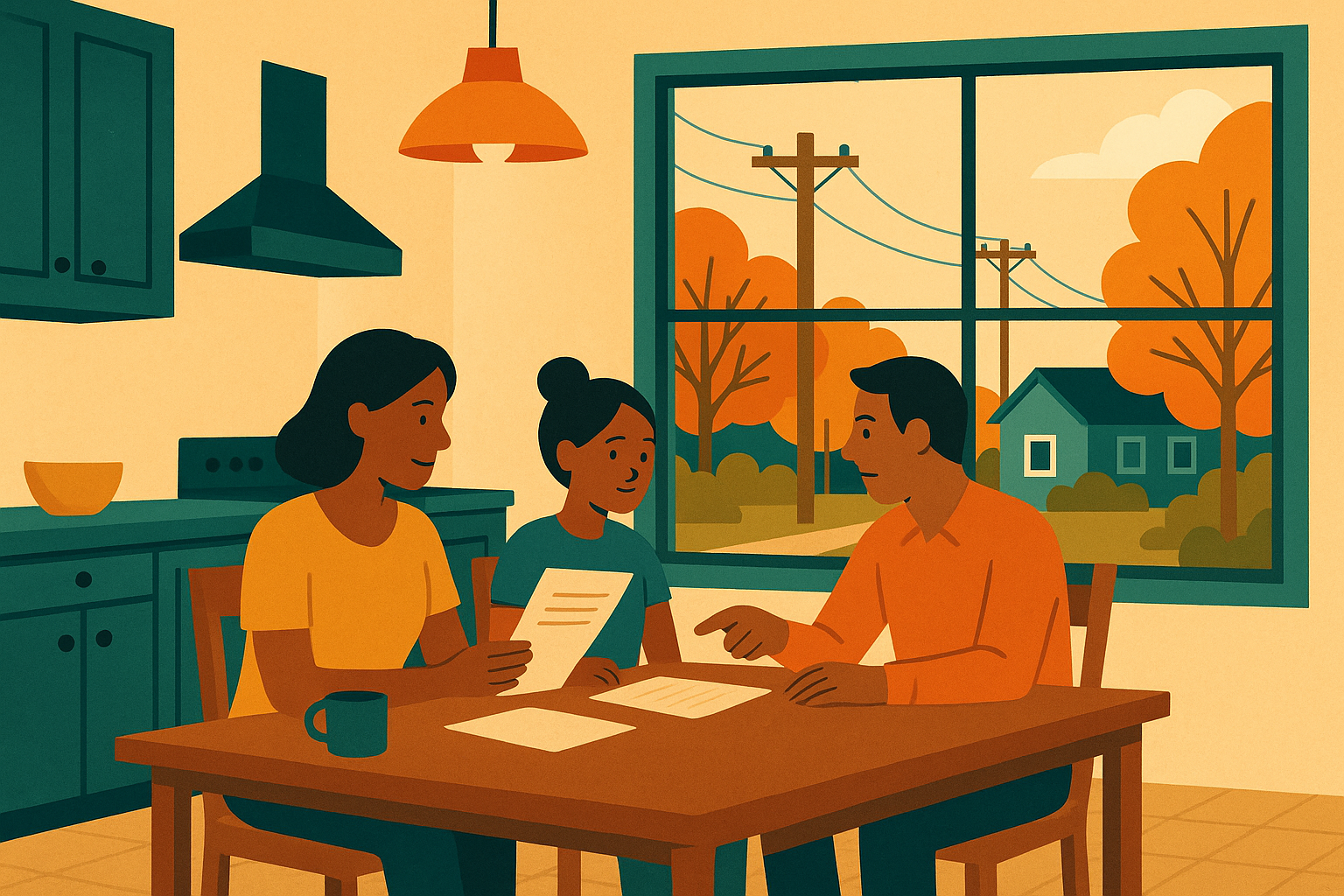
Switching suppliers in New Jersey starts with comparing available offers, then enrolling with the supplier you select, after which your utility handles the transition behind the scenes. The process is designed to happen without any interruption to your actual electricity or gas service.
- Review your current usage and existing rate so you have a baseline for comparison.
- Compare supplier offers, paying attention to contract length and rate structure, not just a single headline number.
- Enroll with the supplier you choose, typically through a signed agreement confirming your account details.
- Let your utility process the switch, since it still delivers your energy and manages the account transfer.
- Watch for a confirmation notice and check your next bill to see the new supplier charge reflected.
How Are Delivery and Supply Charges Separated on a Bill?
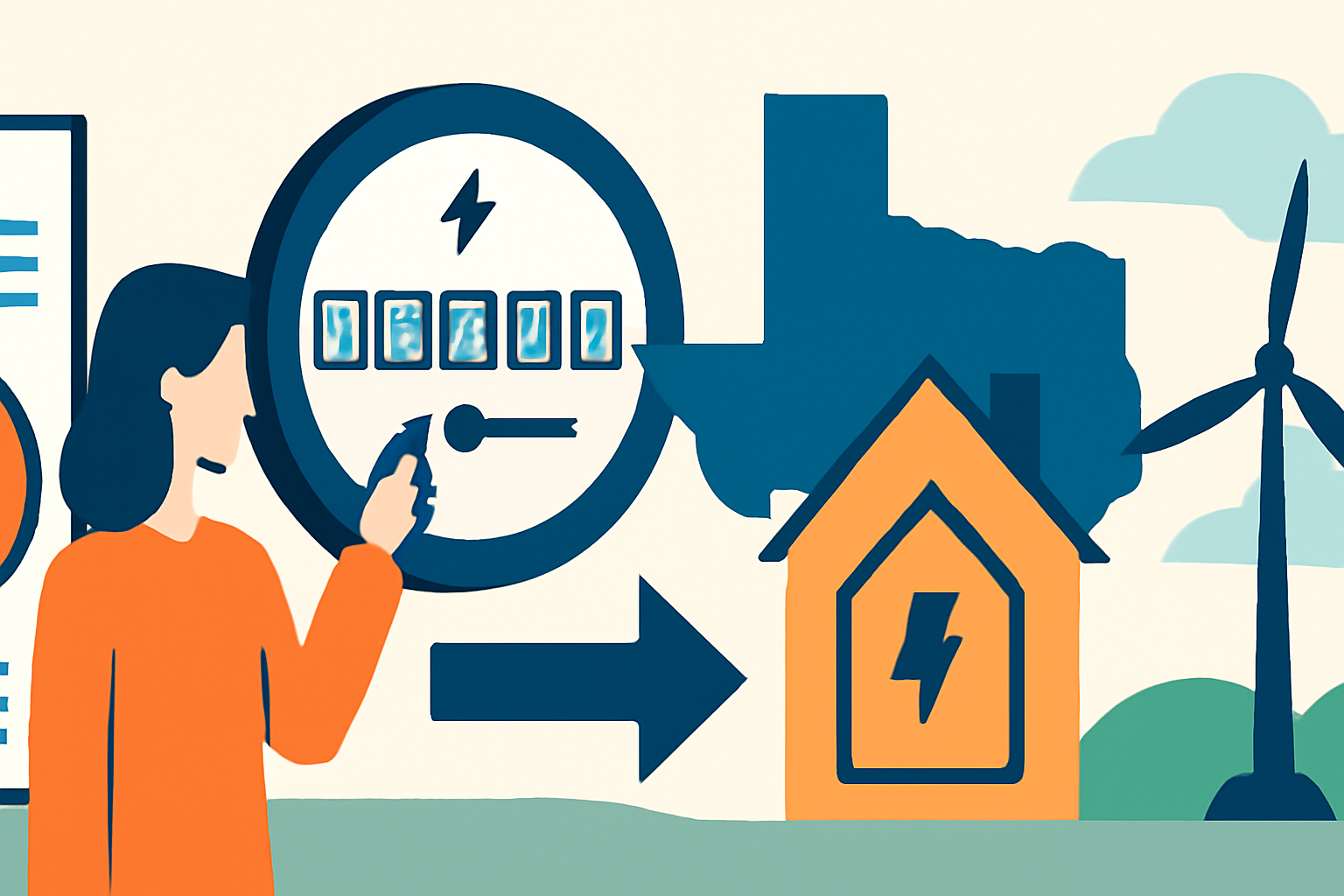
A New Jersey energy bill splits charges into two distinct categories: delivery charges from your utility and supply charges from your energy supplier. Delivery charges cover the infrastructure that moves energy to your home, while supply charges cover the actual energy you consumed.
Your utility — whether that's Public Service Electric & Gas, Jersey Central Power & Light, Atlantic City Electric, or Rockland Electric Company — always bills you for delivery, regardless of who supplies your energy. Keeping these two charges separate on the bill is what makes it possible to see exactly what switching suppliers would affect, and what stays the same no matter who sells you energy.
What Protections Exist for New Jersey Energy Consumers?
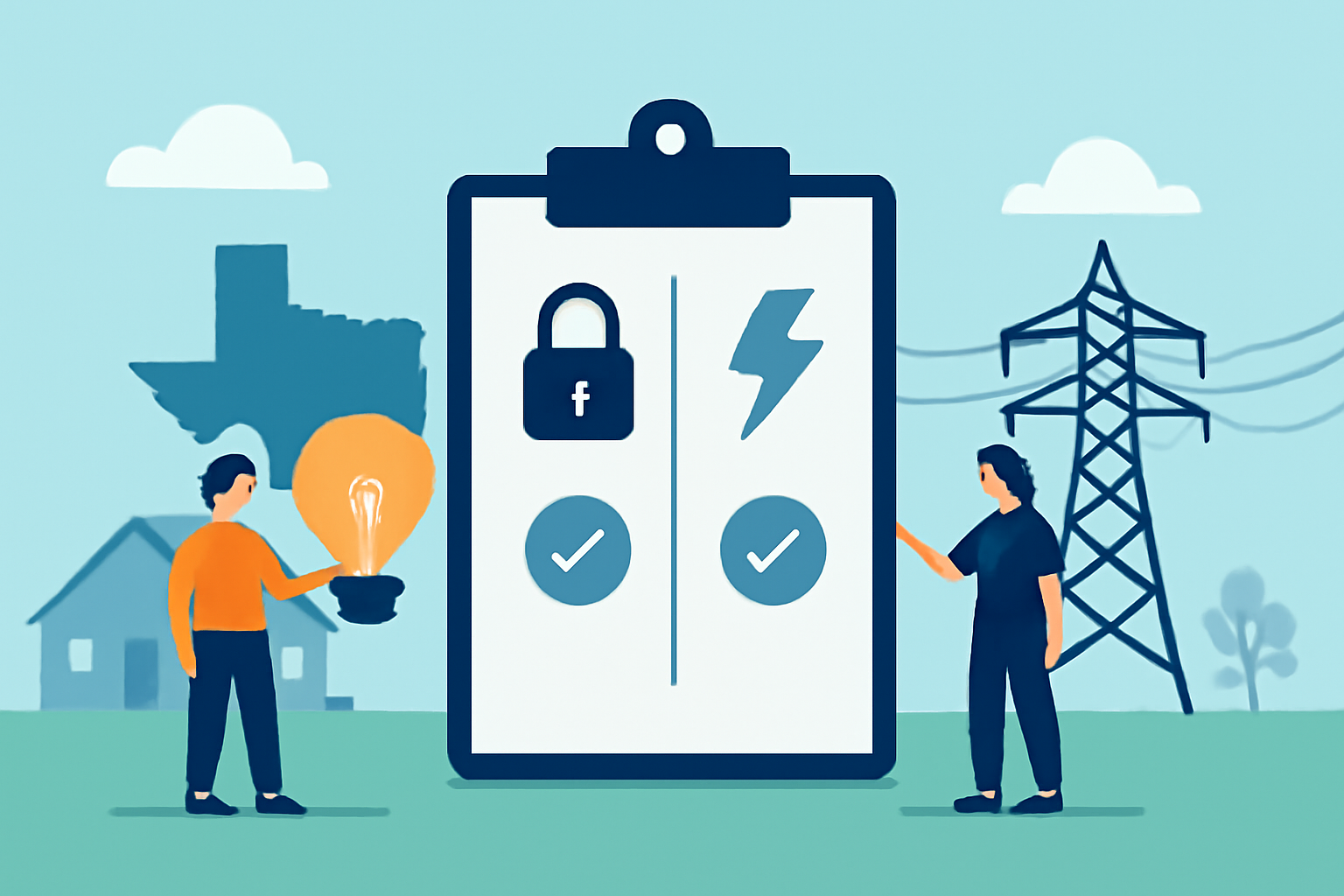
NJ BPU oversight means every licensed supplier in New Jersey has to follow the same core consumer protection rules, no matter which one you choose. These protections apply whether you stick with your utility's default arrangement or go with a supplier directly.
- Suppliers must disclose contract terms clearly, including rate structure and any conditions that trigger a change in price.
- You retain the right to switch suppliers or return to your utility's default arrangement without losing service.
- Billing must clearly separate delivery and supply charges so you can see what each party is charging.
- Your utility remains responsible for outage response and safety issues regardless of your chosen supplier.
How Can a Broker Help New Jersey Residents Navigate Energy Choice?
Gatby helps you compare supplier options in New Jersey's deregulated market and connects you with a plan that fits your household's usage patterns and preferences. Gatby doesn't sell energy itself — it works alongside the existing utility and supplier structure to make the comparison process easier to understand.
Because switching suppliers involves contract terms, rate structures, and enrollment steps that can be hard to parse on your own, Gatby organizes that information so you can see your choices side by side. From there, you decide which supplier arrangement makes sense, while your utility continues handling delivery exactly as it always has.
Frequently Asked Questions
What is a deregulated energy market in New Jersey?
A deregulated energy market is a system where more than one company can sell you energy, even though only one utility delivers it to your home. In New Jersey, the New Jersey Board of Public Utilities (NJ BPU) oversees this structure, setting rules that let residents choose among licensed suppliers for electricity and natural gas. Your utility, whether that's Public Service Electric & Gas, Jersey Central Power & Light, Atlantic City Electric, or Rockland Electric Company, still owns the wires or pipes and handles delivery no matter which supplier you pick. Deregulation separates the business of selling energy from the business of delivering it, which is what creates room for choice. You're never required to switch, and choosing not to doesn't put your service at risk, since a default arrangement through your utility covers that situation automatically.
Is my utility the same as my energy supplier?
No, a utility and a supplier play different roles even though both appear on your bill. Your utility, such as Public Service Electric & Gas, Jersey Central Power & Light, Atlantic City Electric, or Rockland Electric Company, owns and maintains the infrastructure that physically delivers electricity or gas to your home. A supplier is a separate company you can choose that sells you the energy itself. Your utility handles outages, safety issues, and meter readings regardless of which supplier you select, and that responsibility never transfers to a supplier. Understanding this distinction matters because switching suppliers changes who you pay for the energy you use, but it never changes who maintains the lines or responds if service is interrupted. Both charges show up on one combined bill, clearly separated by category.
What happens automatically if I never pick a supplier in New Jersey?
If you never actively choose a supplier, your utility arranges a default service on your behalf so your electricity or gas continues without interruption. This isn't a penalty or a sign you've done something wrong — it's a built-in fallback that exists precisely for residents who haven't decided to switch or who prefer not to. The rate under this default arrangement is set through a regulated process rather than left to the utility's discretion. You can leave this default setup whenever you want by enrolling with a supplier, and you're also free to return to it later if a supplier contract ends or your situation changes. Either way, your utility keeps delivering your energy the entire time, so there's no gap in service during the transition.
How do I switch energy suppliers in New Jersey?
Switching starts with reviewing your current usage and rate, then comparing supplier offers based on contract length and rate structure rather than a single number. Once you pick a supplier, you enroll by confirming your account details, usually through a signed agreement. Your utility then processes the switch behind the scenes, since it continues delivering your energy regardless of which supplier you choose. You'll typically get a confirmation notice once the switch takes effect, and your next bill will show the new supplier's charges alongside your utility's delivery charges. The entire process is designed to avoid any interruption to your actual electricity or gas service, so you shouldn't notice any difference in reliability during or after the switch.
Why does my New Jersey energy bill show two separate charges?
Your bill separates delivery charges from supply charges because two different companies are typically involved in getting energy to you. The delivery charge comes from your utility, such as Public Service Electric & Gas, Jersey Central Power & Light, Atlantic City Electric, or Rockland Electric Company, and covers the infrastructure that moves energy to your home. The supply charge comes from whichever supplier you've chosen, or from the default arrangement if you haven't switched, and covers the actual energy consumed. Keeping these charges distinct lets you see exactly what switching suppliers would change and what stays constant no matter who supplies your energy. It also makes it easier to compare supplier offers, since you can isolate the supply portion of your bill rather than trying to estimate it from a combined total.
Can a broker like Gatby switch my supplier for me?
Gatby helps you compare supplier options and connects you with a plan that matches your household's energy usage, but the actual enrollment still happens through the supplier and utility process described above. Gatby isn't a supplier and doesn't sell or provide energy directly, so it never replaces your utility's role in delivering electricity or gas to your home. Instead, Gatby organizes available information about contract terms and rate structures so you can make sense of your choices without digging through each offer individually. Once you decide on a supplier arrangement, your utility still handles delivery exactly as it always has, and the consumer protections that apply under NJ BPU oversight continue to apply no matter which supplier you ultimately choose.
Related reading
Let Autopilot take energy shopping off your plate — just enter your zip code
Table of Contents
Table of Contents
You may also like